

भारत - एक वैश्विक वस्त्र केंद्र
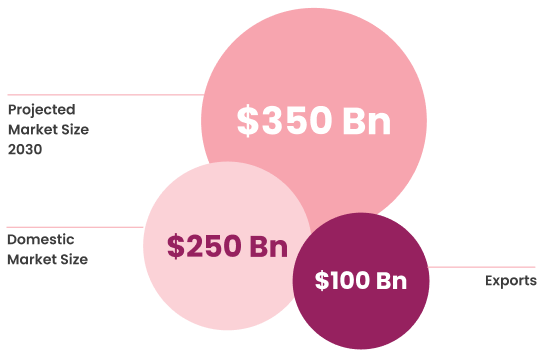
भारत का कपड़ा और परिधान बाजार 176 अरब अमेरिकी डॉलर का है, जिसमें 139 अरब अमेरिकी डॉलर की घरेलू मांग और 37 अरब अमेरिकी डॉलर का निर्यात शामिल है। इसका लक्ष्य 2030 तक इसे 350 अरब अमेरिकी डॉलर तक पहुंचाना है। भारत का कपड़ा क्षेत्र एक महत्वपूर्ण मोड़ पर खड़ा है। दुनिया के सबसे गतिशील फाइबर-टू-फैशन उद्योगों में से एक होने के नाते, यह आर्थिक विकास को गति देने और लाखों लोगों की आजीविका का समर्थन करने में महत्वपूर्ण भूमिका निभाता है।
भारत विश्व में वस्त्र और परिधान का छठा सबसे बड़ा निर्यातक देश है, जिसकी वैश्विक व्यापार में 4.5% हिस्सेदारी और कुल निर्यात में 8.21% का योगदान है (2023-24)। यह क्षेत्र लगभग 4.5 करोड़ लोगों को प्रत्यक्ष रोजगार प्रदान करता है और 1 करोड़ से अधिक लोगों की आजीविका को अप्रत्यक्ष रूप से सहारा देता है, जिसमें बड़ी संख्या में महिलाएं और ग्रामीण आबादी शामिल हैं।
रेशम, कपास और विस्कोस का सबसे बड़ा उत्पादक
2.3%
भारत की जीडीपी में वस्त्र उद्योग का योगदान
वस्त्रों का सबसे बड़ा निर्यातक
4.5%
वैश्विक वस्त्र एवं परिधान व्यापार में भारत की हिस्सेदारी
महिला कार्यबल
45 Mn
कृषि के बाद सबसे बड़ा नियोक्ता
केंद्र और राज्य सरकारों से (जो 'पीपीएस' लेबल के अंतर्गत आता है)
सक्रिय नीति समर्थन
भारत का वर्तमान वस्त्र और परिधान बाजार
139 अरब डॉलर का घरेलू बाजार | 37 अरब डॉलर का निर्यात
भारत की विविध मूल्य श्रृंखला
भारत की ताकत उसकी 'खेती से फैशन तक' मूल्य श्रृंखला और विविध विनिर्माण आधार में निहित है। भारत विश्व स्तर पर रेशम, कपास और विस्कोस के सबसे बड़े उत्पादकों में से एक है और कताई, बुनाई, सिलाई, प्रसंस्करण और वस्त्र निर्माण तक फैली एक संपूर्ण मूल्य श्रृंखला प्रदान करता है।
गुजरात, तमिलनाडु, महाराष्ट्र, पंजाब और राजस्थान जैसे राज्यों में स्थित प्रमुख वस्त्र उद्योग समूह घरेलू और निर्यात-उन्मुख उत्पादन दोनों को बढ़ावा देते हैं। यह क्षेत्र सरकार की 'मेक इन इंडिया', 'स्किल इंडिया', महिला सशक्तिकरण और ग्रामीण युवा रोजगार जैसी प्रमुख पहलों के अनुरूप है।
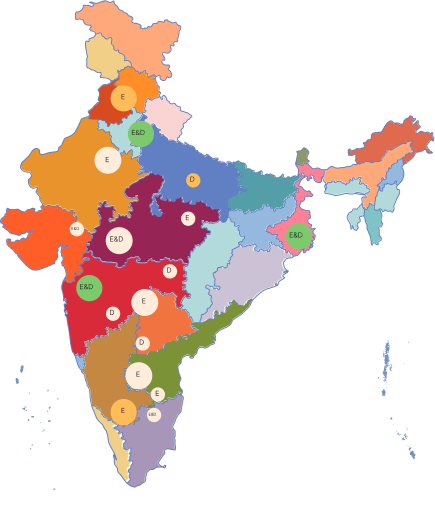
E - निर्यात D - घरेलू
भारत का रणनीतिक दृष्टिकोण
भारत में वस्त्र निर्माण (24 अरब अमेरिकी डॉलर), तकनीकी वस्त्र (17 अरब अमेरिकी डॉलर), बहुराष्ट्रीय विनिर्माण (एमएमएफ) (16 अरब अमेरिकी डॉलर) और प्रसंस्करण (17 अरब अमेरिकी डॉलर) सहित विभिन्न क्षेत्रों में 100 अरब अमेरिकी डॉलर के निवेश के अवसर मौजूद हैं। नीचे दिए गए इन्फोग्राफिक आइकन दर्शाते हैं: वस्त्र निर्माण 24 अरब डॉलर, कताई 17 अरब डॉलर, तकनीकी वस्त्र 17 अरब डॉलर, प्रसंस्करण 16 अरब डॉलर और बहुराष्ट्रीय विनिर्माण (एमएमएफ) 11 अरब डॉलर। पाठ में 'एमएमएफ 16 अरब डॉलर / प्रसंस्करण 17 अरब डॉलर' लिखा है, लेकिन आइकन 'प्रसंस्करण 16 अरब डॉलर / बहुराष्ट्रीय विनिर्माण (एमएमएफ) 11 अरब डॉलर' दर्शाते हैं।
परिधान निर्माण

स्पिनिंग

तकनीकी
वस्त्र

प्रोसेसिंग

एमएमएफ

बुनाई

निटिंग

मेड-अप्स

नीति पारिस्थितिकी तंत्र
भारत का वस्त्र क्षेत्र एक व्यापक नीतिगत तंत्र द्वारा समर्थित है जो विस्तार, एकीकरण और वैश्विक प्रतिस्पर्धा को सक्षम बनाता है। केंद्र की समन्वित नीतियां और योजनाएं बुनियादी ढांचे के निर्माण और उत्पादन विस्तार से लेकर कौशल विकास, स्थिरता और पारंपरिक क्षेत्रों तक संपूर्ण वस्त्र मूल्य श्रृंखला का समर्थन करती हैं। ये सभी हस्तक्षेप मिलकर एक भविष्य के लिए तैयार तंत्र का निर्माण करते हैं जो निवेश को आकर्षित करता है, औद्योगिक विकास को गति देता है और समावेशी विकास को सक्षम बनाता है।
पीएम मित्र पार्कों से संबंधित केंद्र सरकार की योजनाएं/नीतियां
सहायक
नीति पारिस्थितिकी तंत्र
एक खुली, पूर्वानुमेय और स्थिर नीति एवं नियामक प्रक्रिया
टेक्सटाइल क्षेत्र में 100% प्रत्यक्ष विदेशी निवेश (FDI) स्वचालित मार्ग से अनुमत है
समर्थ योजना
रोज़गार उन्मुख, उद्योग संचालित कौशल विकास कार्यक्रम जो वस्त्र मूल्य श्रृंखला में क्षमता निर्माण और कौशल अंतर को दूर करने के लिए बनाया गया है। इसके अतिरिक्त, विभिन्न राज्यों की अपनी कौशल/प्रशिक्षण सहायता योजनाएँ भी हैं।
राष्ट्रीय तकनीकी वस्त्र मिशन
2047 तक तकनीकी वस्त्रों को 300 अरब अमेरिकी डॉलर तक बढ़ावा देने हेतु अनुसंधान एवं नवाचार, शिक्षा, कौशल विकास और बाज़ार विकास को समर्थन देने वाला राष्ट्रीय मिशन।
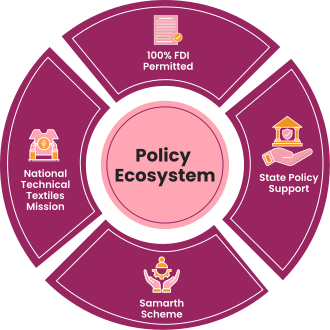


राज्यों द्वारा राष्ट्रीय स्तर पर नीति समर्थन एवं प्रोत्साहन
राज्य सरकारों द्वारा उदार नीति समर्थन और पूंजी सहायता, वेतन एवं कौशल प्रोत्साहन, बिजली एवं जल सब्सिडी सहित विभिन्न प्रोत्साहन।
उत्पादन आधारित प्रोत्साहन (PLI) योजना
एमएमएफ कपड़ा, परिधान एवं तकनीकी वस्त्रों के विनिर्माण को बढ़ावा देने हेतु ₹10,683 करोड़ स्वीकृत प्रोत्साहन के साथ योजना।